

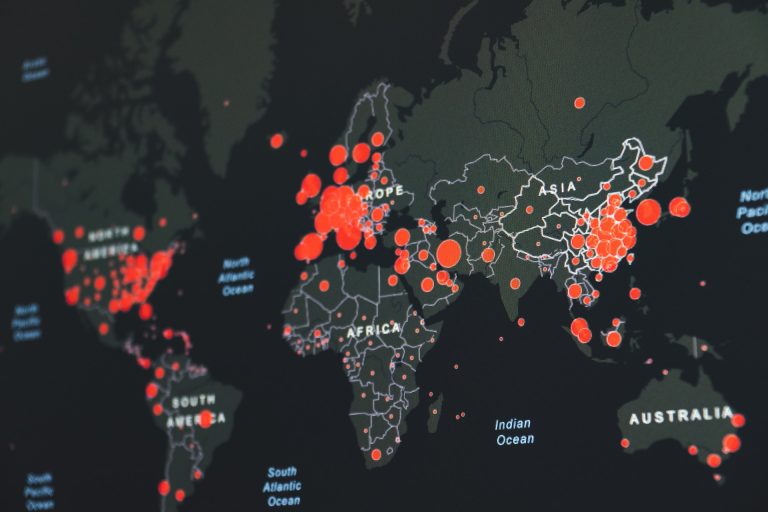
Nearly every area of the world economy has been adversely affected by the COVID-19 epidemic, and the farming sector is no exception. Agribusinesses are still dealing with a variety of difficulties that are changing the way they conduct business as the world struggles to deal with the pandemic’s lingering effects. We will examine the post-COVID-19 issues that agribusinesses are facing globally and how they are adapting to these new circumstances.
Market Upheavals
During the pandemic, Agriculture markets have experienced unparalleled volatility. This instability has been exacerbated by fluctuating demand, export limitations, and changing consumer tastes. In order to be more resilient to market shocks, Agribusinesses are responding by enhancing their market knowledge, looking into new distribution avenues, and diversifying their product lines.(World Bank, 2021).
Digital Transformation
The epidemic hastened the uptake of digital technologies in the agricultural sector. Modern Agribusinesses depend heavily on innovations like e-commerce, precision farming, and remote monitoring. Making investments in data analytics and digital infrastructure a priority will help with better decision-making and increased operational effectiveness.
Health Issues and Labor Shortages
Agribusinesses have been heavily damaged by the labor shortages and health issues brought on by the pandemic. Due to lockdowns and travel restrictions, seasonal labor, which is
essential for planting and harvesting, became limited. To lessen their reliance on human labor, Agribusinesses are currently making investments in automation and mechanization. To protect workers and guarantee operational continuity, farms are also implementing improved health and safety procedures.
Obtaining Finance
Numerous Agribusinesses now require financial assistance because of the economic hardships the pandemic has caused. It is vital to ensure that funding is available for investments in infrastructure, technology, and sustainable practices. Governments and financial institutions are attempting to offer targeted assistance to safeguard the Agriculture sector’s long-term viability.
Trade Uncertainty Worldwide
Following the pandemic, global commerce has grown less predictable since some nations have implemented protectionist policies. Because they rely so significantly on global markets, Agribusinesses are concerned about trade rules and market access. They are expanding their export markets and taking part in lobbying campaigns to support free trade agreements.
Sustainability and Adaptability
The epidemic brought attention to the Agribusiness sector’s need for sustainability and resilience. Concerns concerning food security have increased as a result of climate change effects like extreme weather events. To create a more resilient and eco-conscious economy, agribusinesses are embracing sustainable methods, such as regenerative agriculture and eco-friendly packaging. (Smith et al., 2021)
Conclusion
The difficulties that international Agribusinesses must overcome in the post-COVID-19 era are numerous and intricate. They are, however, also promoting innovation and change within the industry. As they adjust to the changing conditions of a post-pandemic world, Agribusinesses are becoming more robust, sustainable, and technologically astute. The Agricultural sector is well-positioned to prosper in the years ahead by tackling these issues head-on and embracing change, providing a steady food supply for a rising global population while reducing its environmental impact. To overcome these obstacles and create a more robust and sustainable global Agriculture sector, continual monitoring and strategic planning are crucial.